Protecting Your Landscaping While Pressure Washing Your Home
Pressure washing is one of the most effective ways to refresh the exterior of a home in the Sutherland Shire. Between salt-laden air from Cronulla and Kurnell, humid summers, mould-friendly shaded blocks in areas like Engadine and Loftus, and the dust and pollen that settle on every surface, it's no surprise that driveways, walls, decks and roofs need regular cleaning. The challenge is that the same water pressure and cleaning solutions that strip away grime can also damage the gardens, lawns and shrubs you've worked hard to establish. With some planning and the right techniques, you can get a spotless result without harming your landscaping.
Why Landscaping Is at Risk During Pressure Washing
Garden damage during exterior cleaning usually comes from three sources: high-pressure water, cleaning chemicals and runoff, and physical disturbance from equipment and foot traffic. Understanding each one helps you decide what to protect and how.
High-Pressure Water
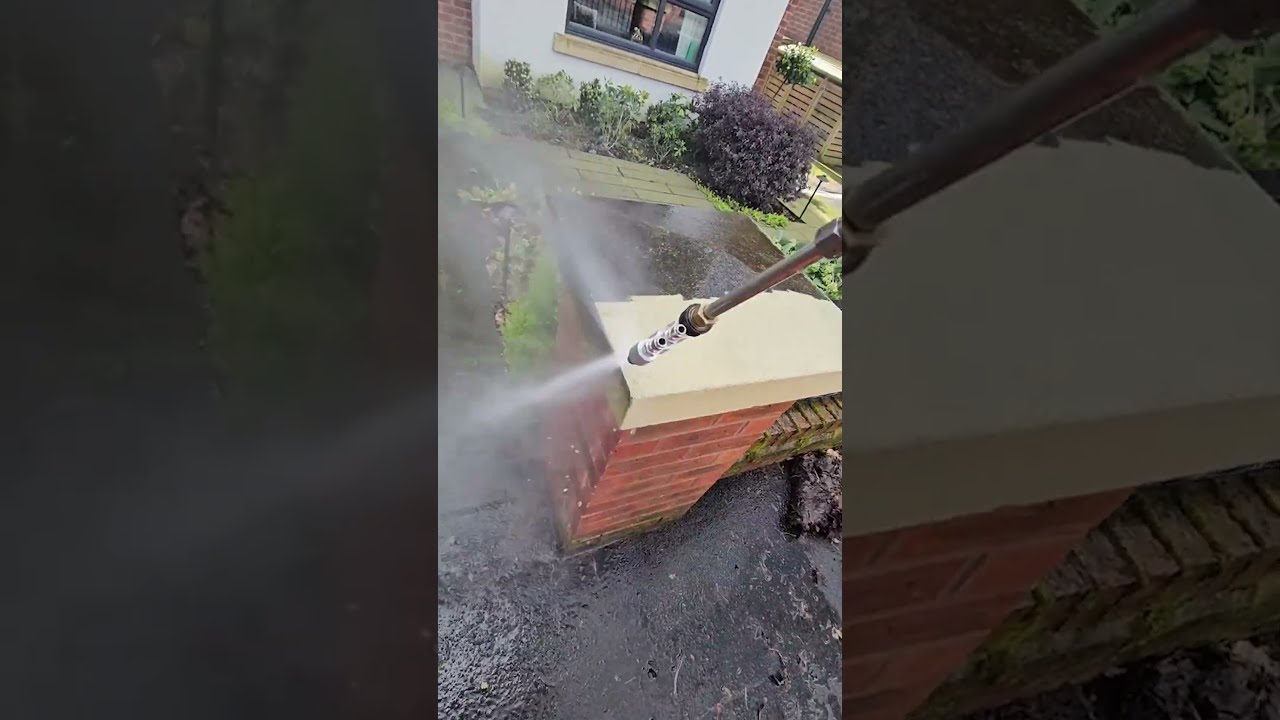
A typical pressure washer can deliver anywhere from 1,500 to 4,000 PSI or more. At close range, that's enough to shred tender leaves, strip bark from young trees, blast mulch and topsoil out of garden beds, and expose or damage shallow roots. Even a stray burst of spray can leave delicate plants such as ferns, hydrangeas and seedlings visibly damaged.
Detergents, Mould Treatments and Runoff
Many house washes use sodium hypochlorite (a chlorine-based solution) to kill mould, algae and lichen. Others use surfactants, degreasers or acidic cleaners for concrete and pavers. When these products drift or run off into garden beds, they can burn foliage, alter soil pH and harm beneficial soil organisms. Sydney's coastal soils, including the sandy soils common around Sylvania, Miranda and Cronulla, drain quickly and don't buffer chemicals well, so the effects can show up fast.
Physical Disturbance
Ladders, hoses, buckets and heavy boots can crush groundcovers, snap branches and compact soil. Hoses dragged across garden beds can also flatten or uproot plants without anyone noticing until later.
Preparing Your Garden Before You Start
Preparation makes the biggest difference to how well your landscaping fares. Set aside time to walk around the property and plan before any equipment is switched on.
Pre-Wet Your Plants and Soil
Thoroughly watering garden beds, lawns and shrubs before cleaning is one of the simplest and most effective protective steps. Plants and soil that are already saturated absorb far less of any cleaning solution that drifts or runs off. Pre-wet the foliage on the side of the plant facing the wall you're cleaning, and soak the soil at the base. Repeat as needed during the job, especially on hot, dry days.
Cover Delicate Plants
For sensitive or high-value plants, physical protection is the safest option. Use breathable materials rather than sealing plants in plastic.
- Drop sheets or tarps: Drape over low shrubs and garden beds, securing the edges with bricks or pegs. Remove them promptly once the area is rinsed, particularly on warm days, to avoid heat build-up underneath.
- Hessian or shade cloth: These allow airflow and are better for plants that are already stressed or prone to scorching.
- Plastic sheeting (short-term only): Useful for blocking spray and chemicals, but never leave it on in direct sun, as it can cook the foliage underneath.
- Plant tying: Gently tie back climbers, creepers and overhanging branches away from the wall being washed so you can clean behind them without damaging them.
- Move pots: Relocate potted plants, garden ornaments and outdoor furniture well away from the work area.
Protect Lawns and Mulched Areas
Lawns are generally resilient, but concentrated chemical runoff can leave brown patches. Wet the grass beforehand and keep a hose running lightly nearby to dilute any runoff. For mulch beds, consider covering them or raking mulch back from the base of walls so it isn't blasted onto paths and lawns.
Choosing the Right Method and Pressure
Not every surface needs high pressure, and using too much is a common cause of collateral damage. Matching the method to the material reduces overspray and the risk of harming nearby plants.
Consider Soft Washing
Soft washing uses low pressure, closer to a garden hose, combined with a cleaning solution that breaks down mould, algae and dirt. It's widely used on rendered walls, weatherboards, painted surfaces and roofs. Because the pressure is gentle, there's far less splashback and spray travelling into garden beds. The trade-off is that the cleaning solution needs careful management, so pre-wetting and rinsing the surrounding plants thoroughly becomes even more important.
Use the Right Nozzle and Distance
A wider fan nozzle (such as 25 or 40 degrees) disperses pressure and keeps spray more controlled than a narrow, pinpoint jet. Keep the nozzle at a consistent distance from the surface, and spray at a downward angle along walls so water and debris fall away from plants rather than bouncing back at them. Where possible, work from the top of a wall down to the base.
Choose Plant-Friendlier Products
In 2026, there's a growing range of biodegradable and lower-impact cleaning products available in Australia, and many professionals now offer them as standard or on request. If you have an established vegetable patch, native garden or sensitive plantings, ask about options that are labelled biodegradable and free from phosphates. Always check the product's safety data sheet and follow the dilution instructions exactly. Stronger isn't always better, and over-concentrated mixtures are a leading cause of plant burn.

Working Around Different Types of Plants
Different plants tolerate cleaning activity in different ways. A little knowledge of what's in your garden helps you decide how much protection each area needs.
Native Plants
Many Australian natives common in the Shire, including banksias, grevilleas and bottlebrushes, are adapted to low-nutrient, well-drained soils. They can be sensitive to changes in soil chemistry, particularly phosphorus-containing detergents. Keep all cleaning products well away from native garden beds and use plain water for any rinsing near their root zones.
Delicate Ornamentals and New Plantings
Ferns, hydrangeas, azaleas, orchids and recently planted seedlings are among the most vulnerable. Cover or temporarily relocate these where possible, and keep spray well clear.
Climbers and Espaliers
Plants growing on walls, fences or trellises, such as star jasmine, wisteria and espaliered fruit trees, are difficult to avoid. If the wall behind them needs cleaning, carefully detach and lay the plant on a protective sheet, clean the surface, allow it to dry, then re-secure the plant. If that's not practical, clean only the visible areas with a gentle rinse.
Edible Gardens
Vegetable beds and fruit trees need extra care. Keep chemicals well away, cover beds fully, and avoid cleaning on windy days when drift can carry spray further than expected. If any product does reach edible plants, rinse thoroughly and wait before harvesting, ideally following the guidance on the product label.
Managing Runoff Responsibly in the Sutherland Shire
The Sutherland Shire is surrounded by sensitive waterways, including Port Hacking, Botany Bay, the Georges River and the Royal National Park. Stormwater drains in most suburbs lead directly to these environments without treatment. That means wash water carrying detergents, chemicals, oils or sediment should never be allowed to flow freely down driveways and into street gutters.

Under NSW environmental protection laws, allowing polluted water to enter the stormwater system can be an offence, and councils take waterway protection seriously. Sensible steps include:
- Block or cover nearby drains: Use drain mats or similar covers to prevent runoff entering the stormwater system.
- Contain and collect wash water: Use berms, wet-vacs or sump pumps to capture runoff on hard surfaces.
- Direct water to appropriate areas: Plain, low-chemical rinse water can often be directed to a lawn area, but wash water with strong chemicals should not be directed to gardens or drains. Instead, dispose of it via the sewer, such as through a laundry tub or other approved connection, where appropriate.
- Avoid cleaning in wet weather: Rain can overwhelm containment measures and push contaminants into the stormwater system.
- Check local requirements: If in doubt, contact Sutherland Shire Council or consult your cleaning professional about current rules and best practice.
Timing and Weather Considerations
When you clean matters nearly as much as how you clean. Wind is the biggest risk, as it carries overspray and chemical mist well beyond the intended area. Choose a calm day where possible. Very hot, sunny conditions also cause cleaning solutions to dry quickly on leaves and soil, increasing the risk of burn. Mild, overcast days are ideal, and early morning is often the best window in Sydney's warmer months.
Avoid cleaning immediately before or during heavy rain. While light rain can help dilute residues, heavy rain can wash chemicals into garden beds and stormwater drains.
After the Wash: Rinsing and Recovery
Once the cleaning is finished, the job isn't quite done. Thoroughly rinse all plants, soil and lawn areas with fresh water to remove any residue. Pay special attention to foliage close to walls and any plants that were covered or exposed to drift. Remove tarps and covers promptly, return pots and furniture, and replace any displaced mulch.
Over the following days, keep an eye on your garden. Signs of chemical or pressure damage include browning or yellowing leaves, curling edges, wilting despite adequate moisture, and blackened tips. If you notice these, water the affected plants deeply to flush the soil, prune away badly damaged growth, and avoid fertilising until the plant shows signs of recovery. For valuable or mature specimens, a local nursery or arborist can offer tailored advice.
When to Call a Professional
DIY pressure washing can work well on small, simple jobs, but there are times when professional help is the safer choice for your landscaping and your property. Consider hiring a qualified exterior cleaning service if:
- Your home is double-storey or has roofing that requires working at height.
- You have extensive, established or high-value gardens close to the surfaces being cleaned.
- Mould, algae or lichen is widespread and requires specialised treatment.
- You're unsure about managing runoff and stormwater requirements correctly.
- Your property has delicate surfaces, such as old render, soft sandstone or heritage features, which can be easily damaged by incorrect pressure.
When choosing a provider, ask about their approach to protecting plants, how they handle wash water, whether they carry appropriate insurance, and what cleaning products they use. A reputable local operator will happily explain their process and tailor it to your garden.
Final Thoughts
A clean home exterior and a thriving garden don't have to be mutually exclusive. By pre-wetting plants, covering delicate areas, choosing the right pressure and products, https://donovannhek047.currentvale.com/posts/how-to-restore-old-weathered-hardwood-decks-with-water managing runoff carefully, and timing the job well, you can protect your landscaping while giving your home a fresh, polished look. With the Shire's coastal climate keeping mould and grime a constant challenge, building these habits into your regular maintenance routine will help your home and garden look their best throughout 2026 and into 2027 and beyond.
Sutherland Shire Pressure Cleaning Pros
Unit 4/78 Bellingara Rd, Miranda NSW 2228
(02) 9541 8700